GLP-AXIS RESEARCH
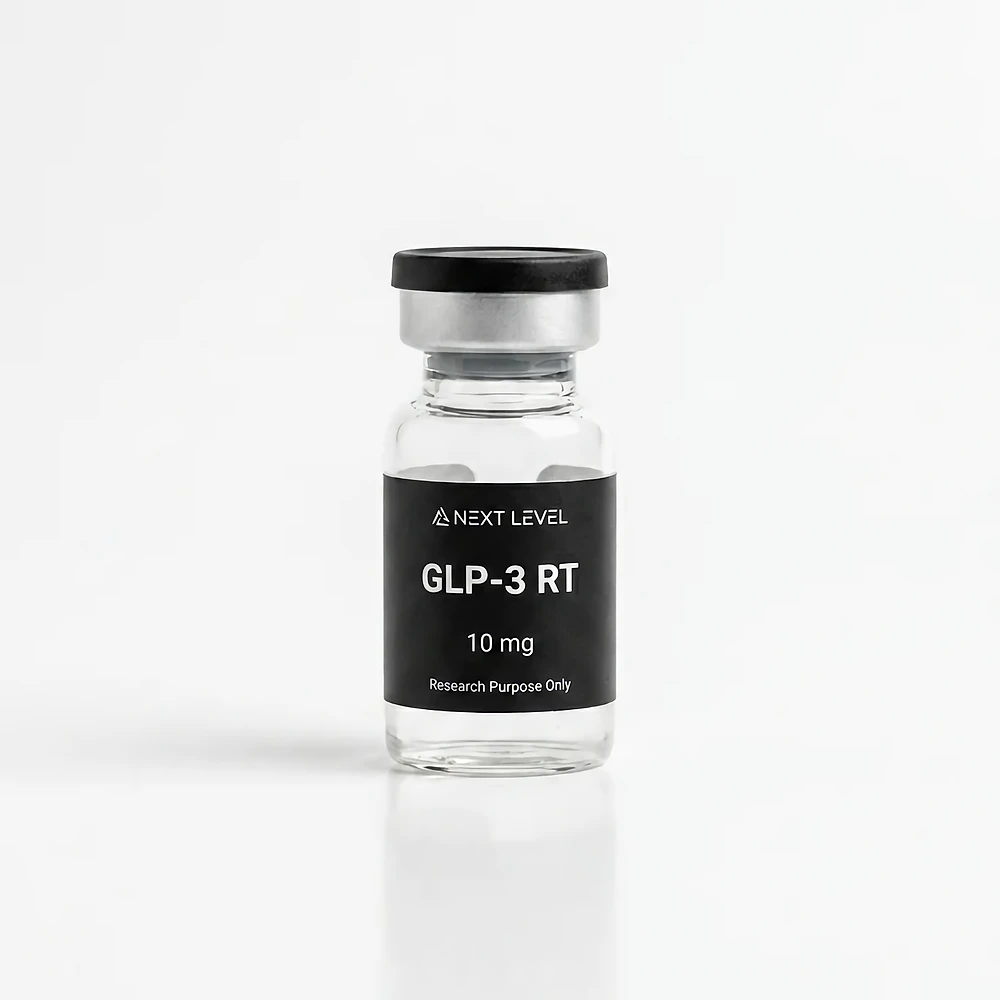
Retatrutide
Tri-agonist research compound studied for GLP-1, GIP, and glucagon receptor activity in vitro.
$89.99/vial
RESEARCH CATEGORY
FOR IN VITRO RESEARCH USE ONLY · NOT FOR HUMAN CONSUMPTION · NOT EVALUATED BY FDA
By NLL Research Team · Reviewed September 19, 2026
Lyophilized peptide material referenced in literature on GLP-1, GIP, and glucagon receptor signaling pathways in cellular research models.
Tri-agonist research compound studied for GLP-1, GIP, and glucagon receptor activity in vitro.
$89.99/vial
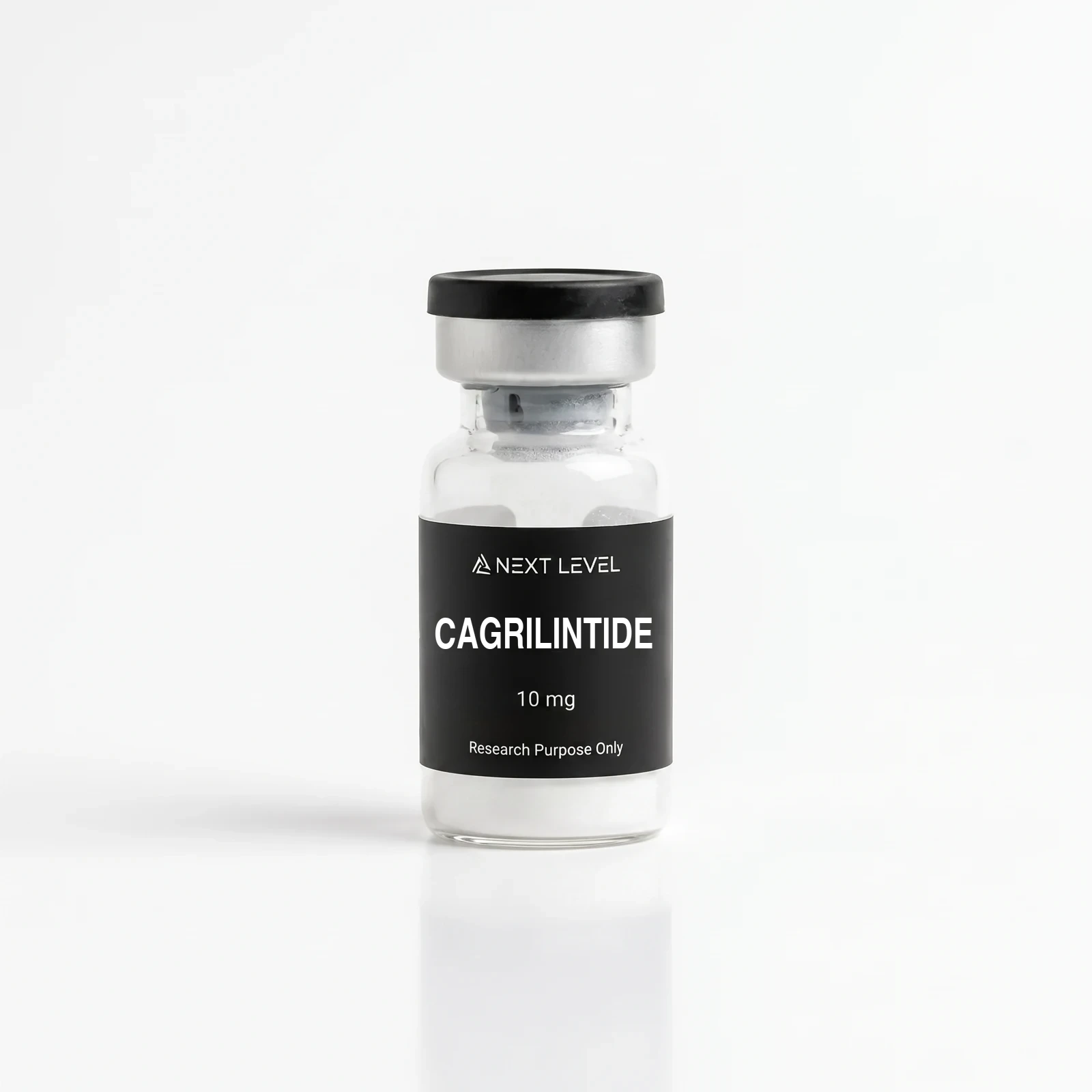
Long-acting amylin analog studied at the amylin and calcitonin receptor family in vitro.
$99.99/vial
The GLP axis is the research shorthand for the incretin and glucagon receptor family, the cellular signaling system that published literature has studied most heavily in the context of metabolism and energy balance. Three receptors anchor it: GLP-1 (glucagon-like peptide-1), GIP (glucose-dependent insulinotropic polypeptide), and the glucagon receptor. Research peptides in this category are classified by how many of these receptors they engage, from single agonists through to triple agonists.
That receptor count is the single most useful way to read a GLP-axis compound. A single agonist binds one receptor, a dual agonist binds two, and a triple agonist binds all three. The compounds most referenced in current research literature map cleanly onto that ladder, which is why researchers comparing them tend to start with the receptor profile rather than the molecule name.
| Compound | Receptor profile | Studied for |
|---|---|---|
| Semaglutide | Single (GLP-1) | GLP-1 receptor signaling |
| GLP-2 TZ | Dual (GLP-1 + GIP) | Combined incretin signaling |
| Retatrutide (GLP-3) | Triple (GLP-1 + GIP + glucagon) | Full tri-receptor incretin and glucagon signaling |
Receptor profiles reflect how each compound is characterized in published research literature. Listed for in vitro research context only.
Retatrutide, which NLL lists as GLP-3, is the compound at the top of the ladder. It is referenced in literature for engaging the GLP-1, GIP, and glucagon receptors at once, the broadest receptor profile of the GLP-axis compounds currently studied. NLL supplies it as a lyophilized research compound at 99.6 percent average HPLC purity, third-party US lab tested, with a certificate of analysis tied to the lot number on every vial.
The GLP axis refers to the incretin signaling system, primarily the GLP-1 receptor, alongside the GIP and glucagon receptors. In published literature these receptors are studied in cellular and animal models for their role in metabolic and energy-balance pathways. Research compounds in this category are characterized by which receptors they bind, from single agonists to triple agonists.
Retatrutide is a triple agonist referenced for GLP-1, GIP, and glucagon receptor activity at once. Semaglutide is studied as a single GLP-1 agonist, and tirzepatide as a dual GLP-1 and GIP agonist. The distinction researchers draw is how many incretin and glucagon receptor pathways each compound engages.
Yes. Every GLP-axis compound is independently HPLC tested by Finnrick before it ships, at 99 percent or higher average purity. The lot number on each vial maps to that batch's own COA. If an independent test does not match the published COA for that lot, NLL refunds the order in full and you keep the vial.
No. Every compound here is intended for in vitro laboratory and research use only. It is not for human consumption, is not a drug or supplement, and these statements have not been evaluated by the FDA. The products are not intended to diagnose, treat, cure, or prevent any condition.
Next Level Labs ships across the continental United States. Most orders ship within 1 to 2 business days via UPS 2nd Day Air in discreet, unbranded packaging, flat 10 dollar shipping and free over 200 dollars. Payment is by card, Apple Pay, Google Pay, Venmo Business, Zelle, or bank transfer, and every order is backed by a COA-match guarantee.
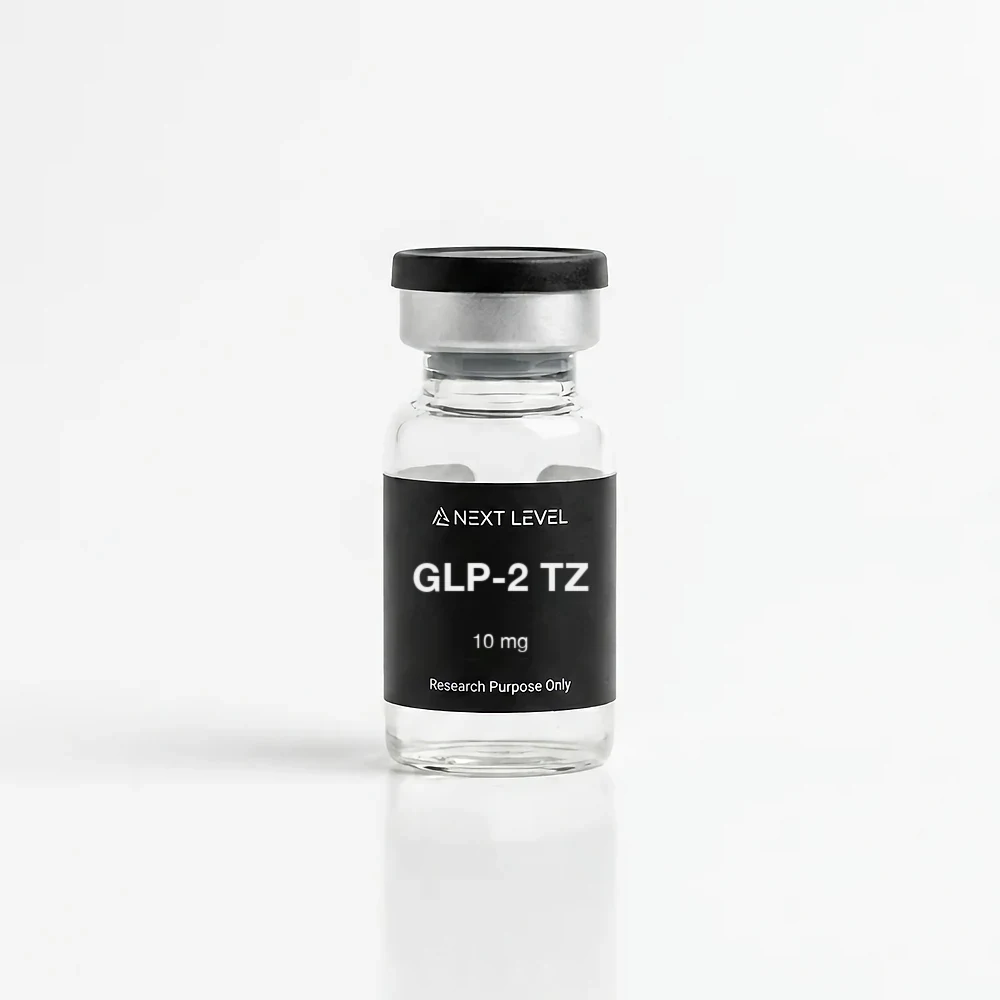
Dual GIP and GLP-1 receptor agonist studied for incretin signaling in vitro.
$79.99/vial
For in vitro research use only. Not for human consumption. Not evaluated by the FDA. Not intended to diagnose, treat, cure, or prevent any condition. US shipping only.
Next Level Labs supplies research compounds strictly for in vitro laboratory use, never for human or veterinary consumption. Confirm both before you enter.
Nothing sold here is a drug, food or supplement, and no statement on this site has been evaluated by the FDA.
Not a researcher? Exit
